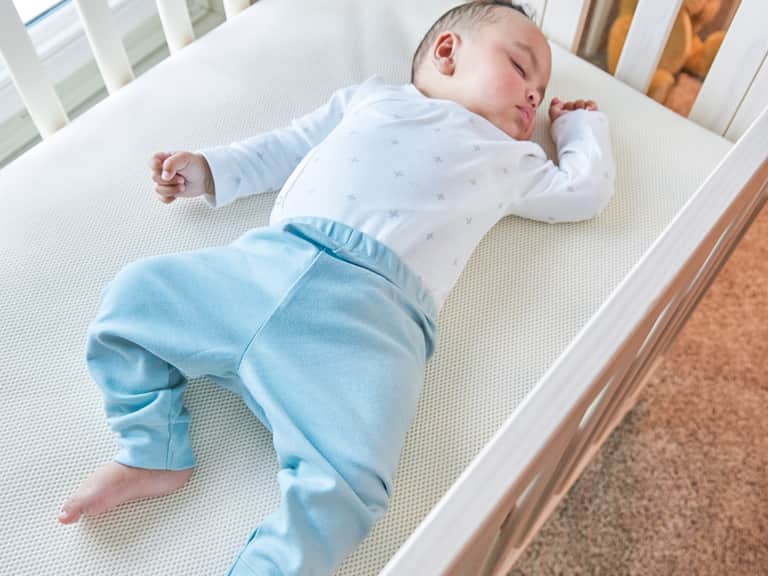
Crib mattresses provide a dedicated sleeping surface designed for infants, prioritizing safety, comfort, and support. This category emphasizes materials, construction, and standards that influence breathability, firmness, and durability. Understanding core features helps caregivers select a suitable option that aligns with healthy sleep environments and long-term use.
Key considerations include appropriate firmness levels, edge support, and moisture management. Many crib mattresses employ reinforced seams, waterproof or wipe-clean covers, and breathable foams or fabrics. These elements contribute to a stable sleep surface while minimizing risk factors such as excessive heat and moisture buildup during naps and overnight sleep.
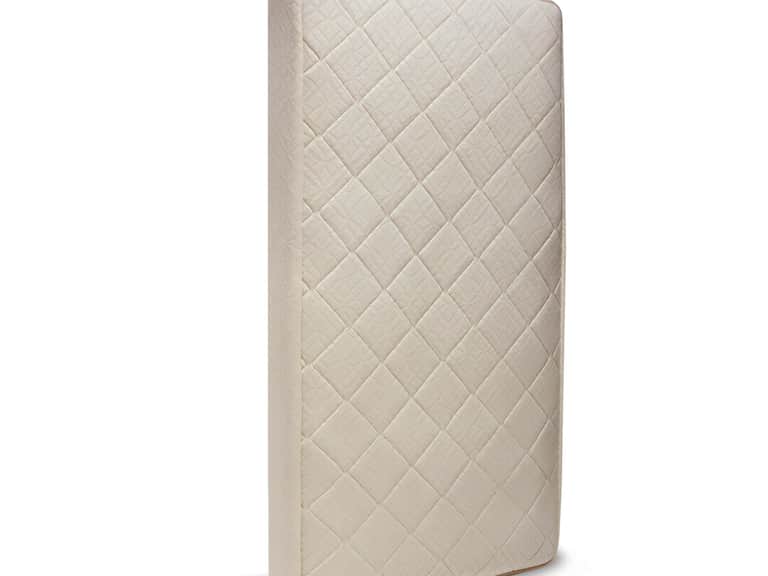
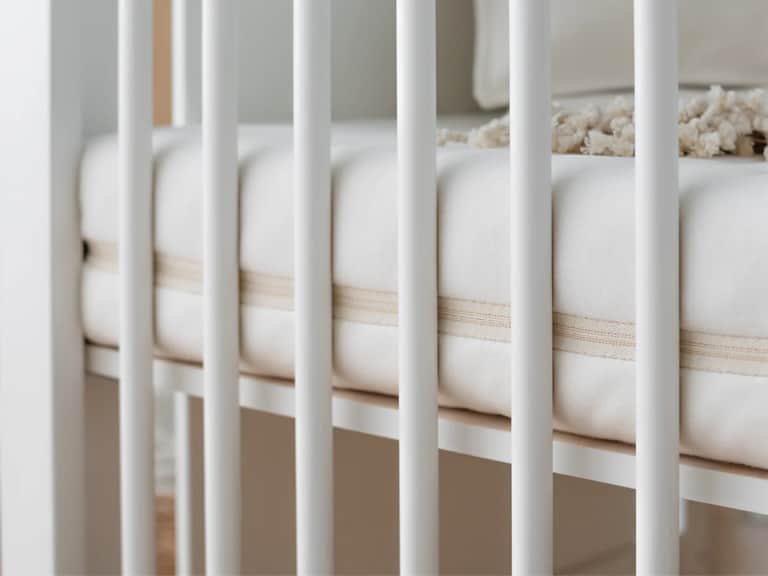
Organic crib mattresses focus on non-toxic materials and certifications that reduce chemical exposure in nurseries. Look for natural fibers, low-VOC finishes, and barrier fabrics that resist allergens. When evaluating options like the Obasan Organic Crib Mattress, assess whether the construction supports air circulation and easy cleaning without compromising structural integrity.
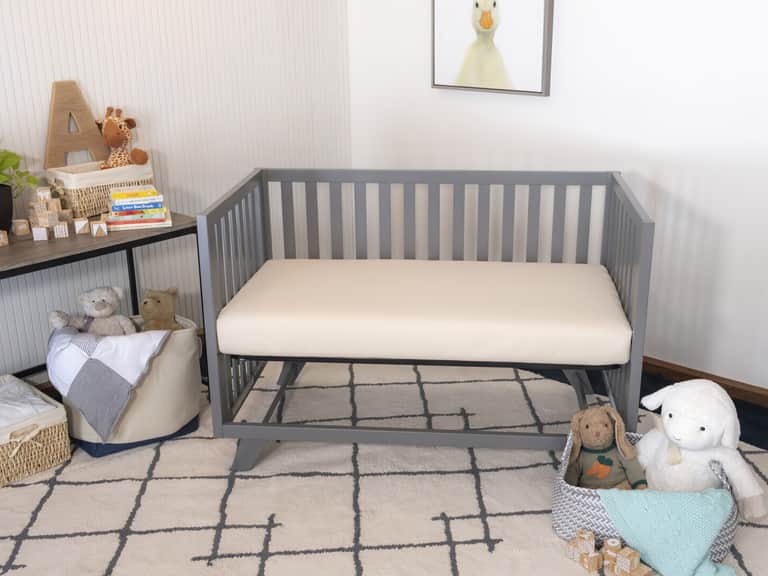
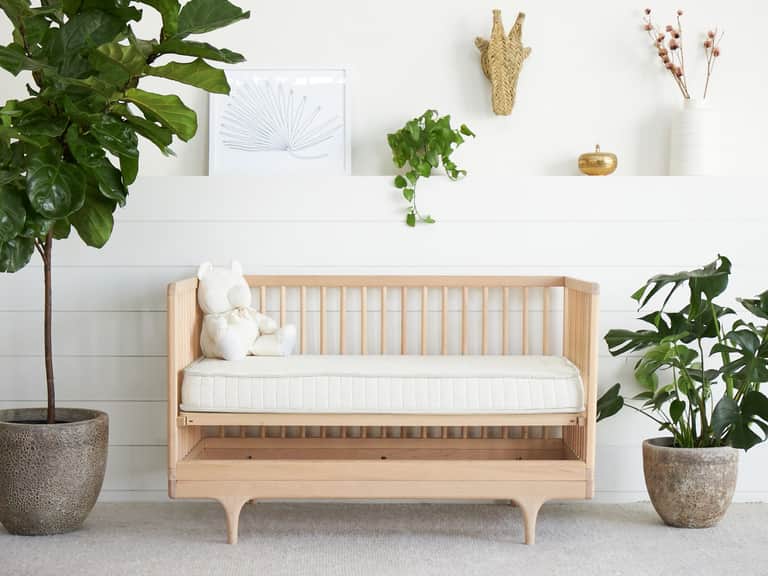
For compatibility and safety, ensure the mattress meets standard crib dimensions and maintains a snug fit to prevent gaps. Functional benefits include long-term durability, stain resistance, and ease of maintenance. A well-chosen organic crib mattress supports consistent sleep quality while contributing to a hygienic sleeping environment for infants.
In educational terms, the category highlights how material choice, moisture control, and encasing layers interact to influence infant comfort and safety. By examining product features, such as those offered by the Obasan Organic Crib Mattress—with its organic materials, safety certifications, and practical benefits—caregivers can make informed decisions about crib sleep readiness and indoor air quality. Keywords: bedding, pillows, sheets, organic mattresses, organic crib mattresses.
 Nursery