Introduction: Why an Organic Crib Mattress Matters
In the quiet hours of infancy, sleep becomes a primary engine of growth. The materials that cradle a baby’s body—especially in the first year—can influence long-term health outcomes, from minimizing exposure to chemical off-gassing to cultivating a safe, allergen-conscious sleep environment. An organic crib mattress is not merely a product label; it is a statement about purity, transparency, and responsibility in the lifecycle of a baby’s circumference of comfort.
The industry has responded with a suite of certifications designed to give parents confidence that what lies beneath a baby’s sheet is free from harmful chemicals and built with sustainable practices. This guide unpacks those certifications, translates jargon into practical tips, and highlights NYC-specific resources where you can learn, compare, and purchase with peace of mind.
Key Certifications to Understand
Reading a crib mattress label can feel like deciphering a foreign language. Yet, three families of certifications commonly appear in reputable products: GOTS, GOLS, and OEKO-TEX. Each speaks to different aspects of the product—from the fiber and fabric to the fillings and overall safety performance.
- GOTS (Global Organic Textile Standard): This is the premier standard for organic textiles. For crib mattresses, a GOTS-certified cover ensures the fabric surrounding the baby is produced without toxic pesticides, heavy metals, or formaldehyde, and that the processing stages meet environmental and social criteria. If a crib mattress cover is GOTS-certified, you gain a high degree of confidence in the fabric portion of the product.
- GOLS (Global Organic Latex Standard): If a mattress uses natural latex, GOLS certification validates that the latex comes from organic rubber trees and that the production process adheres to strict social and environmental standards. A GOLS-certified latex core or layer guarantees a non-toxic, responsibly sourced alternative to synthetic foams.
- OEKO-TEX and related safety standards: OEKO-TEX focuses on ensuring textiles are free from a broad spectrum of harmful substances. It is common to find OEKO-TEX Standard 100 or similar markings on crib mattress fabrics. While not exclusively organic, OEKO-TEX complements organic certifications by addressing chemical safety in the finished textile.
Materials: What to Look For and What to Avoid
For crib mattresses, material choices influence breathability, moisture management, and allergen exposure. The most common organic configurations involve a latex or innerspring core wrapped in organic cotton fabric, accompanied by wool or cotton batting, and lined with a GOTS-certified cover.
- Organic latex (GOLS): A natural alternative to polyurethane foam, latex cores provide resilience and pressure relief. When GOLS-certified, the latex is produced with organic farming practices and without chemical stabilizers typical of synthetic foams.
- Organic cotton covers: A soft, breathable outer layer that helps regulate temperature and resists moisture transit. Look for GOTS-certified cotton to ensure organic farming and processing standards.
- Wool batting (optional): Wool is naturally moisture-wicking and thermoregulatory, helping to prevent heat buildup and dampness where babies sleep. When sourced responsibly, wool adds natural fire-retardant properties without chemical additives.
- Certifications on fillings: If a mattress uses foam, steer toward foam-free designs or those with low-emission certifiably non-toxic foams. Some brands use natural or recycled materials to replace conventional foams, reducing off-gassing concerns.
NYC Resources: Where to Find Certified Options and Learn More
New York City is a hub for sustainable living and child wellness, offering a spectrum of resources—from brick-and-mortar shops with in-person guidance to community workshops focused on safe sleep practices. The city’s ecosystem supports parents who want to verify certifications, compare materials, and understand the lifecycle of a crib mattress from cradle to disposal.
- Local retailers and showrooms: Visit stores that emphasize organic and non-toxic bedding. Ask for products with explicit GOTS and GOLS documentation, and request to see the labeling and certificates in person.
- Recycling and safe disposal programs: NYC municipalities often provide guidance on how to responsibly dispose of old crib mattresses, with options to recycle metal springs or repurpose materials when feasible.
- Community workshops and hospitals: Community centers, parent groups, and some hospitals host sessions about safe sleep environments for infants, including product selection, crib safety, and cleaning/maintenance routines for organic bedding.
A Time-Travel Tour of Thought Leaders in Safe Sleep Materials
To understand how organic crib mattresses have evolved, it helps to consider perspectives from three influential figures across different eras. Their ideas illuminate why certifications and material choices matter—and why NYC’s local ecosystem remains vital.
1) Rachel Carson (1907–1964) — A Pioneering Voice for Environmental Health
Though Carson’s work predated modern organic certifications, her clarion call about the ecological and human health impacts of chemicals reshaped public dialogue about consumer products. In the cradle of the environmental movement, her writings helped establish the premise that everyday consumer goods—down to textiles and consumer textiles—should be scrutinized for safety. Her insistence on precaution and transparency resonates with parents seeking non-toxic sleep environments for infants.
2) Dr. Howard B. Levy (1920s–1980s) — Early Pediatric Safety Advocate
Levy represented a period when pediatric safety began to take shape in clinical practice and consumer guidance. His emphasis on minimizing exposure to hazardous substances in the home foreshadowed modern guidelines for safe sleep spaces. Though not focused exclusively on mattresses, his legacy informs today’s push for chemical-free fabrics and responsible manufacturing in infant products.
3) Dr. Ayodeji Adebayo (late 20th–early 21st century) — Sleep Science Meets Material Transparency
A contemporary thought leader in sleep science and consumer safety, Adebayo’s work emphasizes evidence-based materials that influence sleep health. In the context of crib mattresses, this translates to demanding robust research on allergen exposure, off-gassing, and lifecycle assessments. His perspective supports a culture of transparency—consumers deserve to know the provenance of fibers, fillings, and finishes.
Case Studies: Real Products and What They Teach Us
The marketplace features a spectrum of products that illustrate best practices in organic crib mattresses and accessories. Here are representative examples, highlighting certifications, materials, and practical considerations for caregivers.
Suite Sleep Organic Cotton Knit Mattress Protector (CKP)
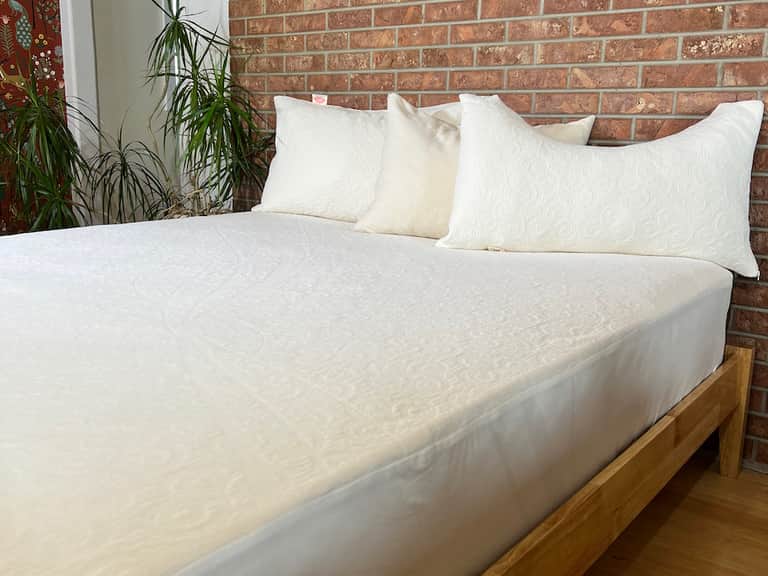
While not a crib mattress itself, accessories like a certified organic mattress protector illustrate how to extend organic integrity across sleep surfaces. The CKP is made from 100% GOTS-certified organic cotton, with an oversized 18" pocket design to fit a variety of mattress depths. This product helps guard against moisture and wear without compromising the organic fabric and breathability.
- Material: Organic cotton jersey, GOTS-certified
- Fit: Fitted, 18" pockets, accommodates thicker crib mattresses
- Care: Machine wash, gentle cycle
- Price: $198.00
Naturepedic EOS Classic Mattress (Sample Reference)
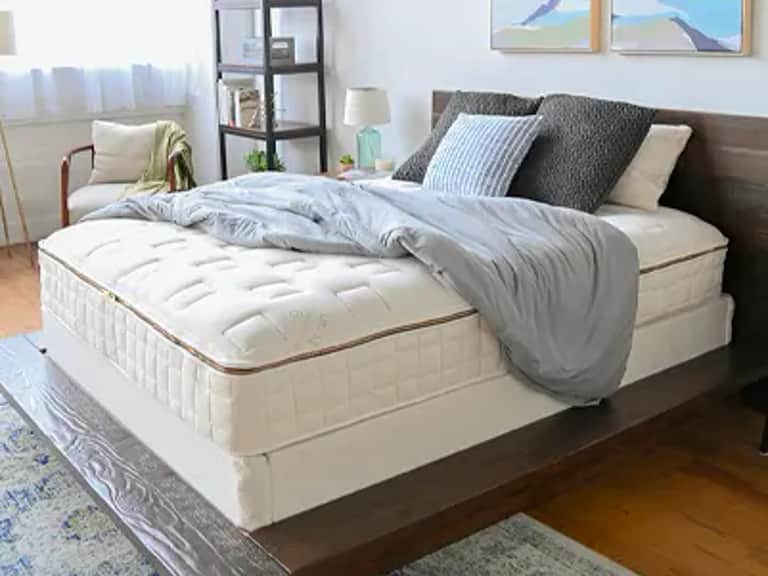
The EOS Classic represents a modular approach to organic sleep surfaces, offering layers of organic latex and cotton with a vegan option. While larger than a typical crib mattress, the design philosophy—organic materials, customizable layers, and transparent sourcing—resonates with crib mattress choices where safety and longevity matter.
- Certification: GOTS, GOLS on core materials
- Materials: Organic latex, organic cotton, optional wool or vegan variants
- Notes: Multi-layered design allowing surface customization
Reading List: How to Read Labels and Verify Claims
If you are shopping for an organic crib mattress, a disciplined approach to label-reading can empower you to distinguish marketing from measurable safety. Begin with the label and certifications: confirm GOTS on the fabric, GOLS for latex cores, and OEKO-TEX for added chemical-safety assurances. Keep a small checklist handy.
- Is the cover GOTS-certified? If yes, confirm the fiber content and processing standards.
- Does the latex or core have GOLS certification? Look for the certificate number and issuing body.
- Are there any additional safety standards explicitly stated? OEKO-TEX labeling is a good sign for chemical safety.
- What is the composition of the interior? Prefer mattress designs that avoid polyurethane foams in favor of latex, coconut coir, or spring systems with natural padding.
Conclusion: A Thoughtful Path to Safer Sleep for Little Ones
Choosing an organic crib mattress requires a blend of skepticism, curiosity, and practical restraint. Certifications guide the way, while materials shape the sensory and thermal realities of a baby’s sleep. In NYC, a thriving ecosystem exists to support careful caregivers—from neighborhood stores with hands-on guidance to community conversations about safe sleep practices. The goal is simple: a healthy, comforting, and toxic-free sleep environment that respects both the child and the planet.
Quick Resources and Local Contacts
Below are suggested avenues to explore in New York City for certified organic crib mattresses, guidance, and community learning experiences.
- Local retailers: Seek out retailers that publish clear certification data on products and offer in-store conversations with knowledgeable staff.
- Safety guidance: Look for resources from pediatric associations and sleep-safe organizations that discuss crib setup, safe sleep positioning, and cleaning routines for organic bedding.
- Workshops and classes: Participate in community-based workshops to learn about certification labels, materials, and best practices for baby sleep environments.